
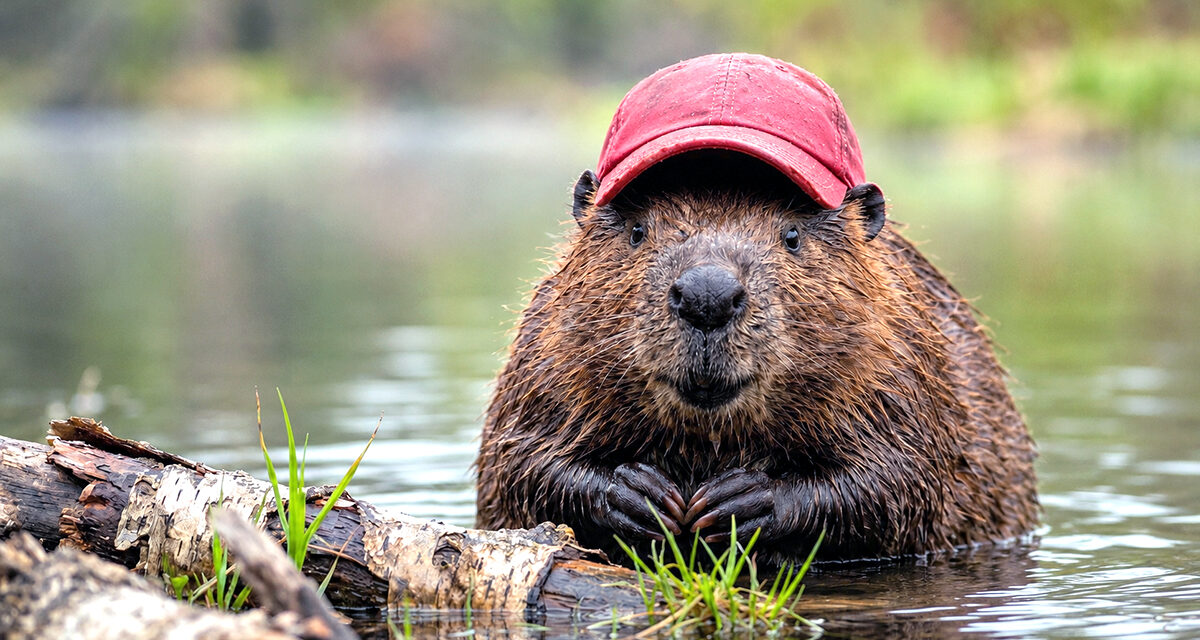
Introduction
While the sport of hunting has, in recent years, suffered the unfortunate stigma of being “rustic,” aficionados of refined country living understand its enduring virtues. Foremost among contemporary pursuits is the seasonal harvest of Buc-ee the Beaver, a tradition celebrated across the hills, valleys, and interstate corridors of the American South with the same solemnity New Englanders reserve for leaf-peeping or the French for truffle season. The traditional hunt of the Buc-ee is a curatorial gesture, a way of participating in the aesthetic cycle of American convenience.
A Brief Historical Orientation
Long before modern travelers arrived on these frontier interstates, Buc-ee Beaver held a place of reverence among several Indigenous tribes of the Southern Woodlands. Oral traditions describe a “grinning beaver spirit” who bestowed upon villages an abundance of corn, fertility, and communal outhouses of remarkable cleanliness.
The ceremonial hunt of early Native Americans was less an act of pursuit than a ritual of gratitude. Flesh was never casually taken, and the teeth were often traded for winter provisions, salt, and kinnikinnick.
With the arrival of European settlers, the nuanced indigenous hunting ritual was refocused as competitive sport. Over centuries the tradition transformed, becoming what contemporary enthusiasts now recognize as the seasonal harvest of Buc-ee—an event which continues to echo the ancient ceremony: the gathering of families, the reverence for abundance, and the overwhelming sacred feeling one experiences while purchasing fudge.
Locating One’s Beaver
Although modern Buc-ee specimens congregate near fuel pumps and brisket stations, the seasoned hunter must look for subtler traces of its presence. Unlike the elusive whitetail, Buc-ee follows a predictable migratory corridor, moving between major commercial watering holes in patterns measured not by seasons but by interstate exits.
Once an unmistakable sign is found—often one extremely large and, oddly enough, announcing the exact location where the animal is hiding—the hunter selects a vantage point and waits for the creature’s broadside emergence with a patience befitting serious sport.
Legal Seasons, Bag Limits, and Ethical Considerations
Although regulations vary by region, most jurisdictions designate Buc-ee as a one-per-season harvest, ensuring sustainability of both the species and the surrounding brisket economy. Shooting hours traditionally begin at dawn, when the beaver is most active. Evening hunts are permissible, though the growing density of neon signage often complicates visibility.
Hunters must refrain from taking more than their permitted allocation, regardless of how many Buc-ees appear to be milling about the retail floor. Many novice outdoorsmen have discovered—too late—that they have merely fired upon cardboard cutouts, an error both embarrassing and legally troublesome.
Approaching and Taking the Shot
Stalking a Buc-ee demands skillful, unwavering deliberation. The marksman must remain low, placing each foot with silent care and avoiding the treacherous crackle of novelty keychains or souvenir wrappers. Should the creature lift its head, freeze entirely. Buc-ee’s eyes, though cartoonish, possess an uncanny acuity for detecting motion.
When he lowers his gaze toward a fresh jerky display, the hunter advances the final yards and prepares for harvest.
A proper, ethical shot lands neatly in the vital zone, situated just behind the enormous goofy grin. Though whimsical in appearance, this region conceals essential organs. Buc-ee typically bounds only a short distance after impact before collapsing. Confirm expiration with a cautious tap to the tail before proceeding.
Field Dressing of Buc-ee the Beaver
Field dressing Buc-ee is conducted with the same steady method used for deer and elk, and it is here where the experienced hunter may demonstrate her expertise. Lay the specimen upon its back, securing the limbs outward to prevent rolling. With a sharp knife—a modest drop-point blade is appropriate—make a shallow incision along the ventral seam, taking care not to rupture the internal merchandise sacks.
Upon opening the cavity, the hunter encounters a surprisingly organized anatomy:
Edible Regions:
- Backstraps: Tender cuts running along the dorsal ridge beneath the synthetic fur. Exceptional when grilled.
- Hindquarters: Broad, cartoonishly proportioned haunches ideal for slow roasting or smoking.
- Cheek Meat: A delicacy with a faintly sweet note attributed to lifelong proximity to cinnamon-sugar roasted nuts.
Non-Edible but Highly Valued:
- Pelt: Dense, glossy, and remarkably durable. Often crafted into rugs, throws, or Appalachian hairpieces.
- Tail: Paddle-shaped and impressively textured. Favored by artisans for charcuterie boards, rustic mantel displays, or teething palettes for newborns.
- Internal Accessories: Naturally occurring plush toys, mugs, and novelty tumblers. While not edible, these are prized collector’s items and can fetch considerable bids on eBay.
Butchering and Cuts of Meat
The beaver may be broken down into its constituent cuts:
- Backstrap Medallions: Sear in cast iron for unmatched tenderness; pairs surprisingly well with lime cotton candy.
- Shoulder Roast: Benefits from braising with onions and a modest splash of Dr Pepper.
- Jerky Strips: Slice thin, marinate overnight, dehydrate to desired ruggedness, chew.
Given the plush musculature, most cuts tend toward mildness, taking well to assertive seasoning.
Pelts, Trophies, and other Non-Edible Uses
A well-tanned Buc-ee pelt retains a luster few synthetic furs can rival. When placed before a warm hearth, guests may experience the eerie sensation of being watched by the creature’s frozen, enthusiastic expression.
Antlers are regrettably absent in Buc-ee specimens. Many hunters successfully add them with duct tape or super glue. The tail mount conveys equal or greater prestige within certain circles. Internal accessories, properly preserved, make excellent conversation pieces for game rooms, libraries, and dens.
Culinary Applications
Buc-ee lends himself beautifully to:
- Winter stews enriched with sweet corn
- Barbecue competitions, where the haunches slow-smoke to astonishing tenderness
- Cheek-meat sliders, beloved by those who appreciate subtle woodland sweetness
- Ringside Sunday sandwiches at local wrestling matches
Note: The hat, though frequently mistaken for a garnish, is not edible. Its outer shell contains polymers known to induce vivid hallucinations, acute disorientation, or in rare instances, an overwhelming desire to purchase a second cooler.
The Future of the Herd
Conservationists express concern that the Buc-ee population may thin, not through over-harvest but through the emergence of plant-based Buc-ee variants with biodegradable pelts and oat-infused brisket. Their fixed expressions lack the spirited sincerity of the traditional beaver. These sustainable simulacra may reshape the cultural landscape entirely.
Closing Reflections
To hunt and field dress Buc-ee is to take part in a lineage stretching from ancient rite to modern interstate tradition. It honors abundance, celebrates craftsmanship, and affirms the enduring American belief that grandeur is best experienced in the company of gas pumps numbering in the triple digits.
It is, at its heart, a reverent act. Curatorial, ceremonial, and distinctly southern American.

Like this story? Support this writer: