A Historical Analysis of Nipple Representation in Western Art
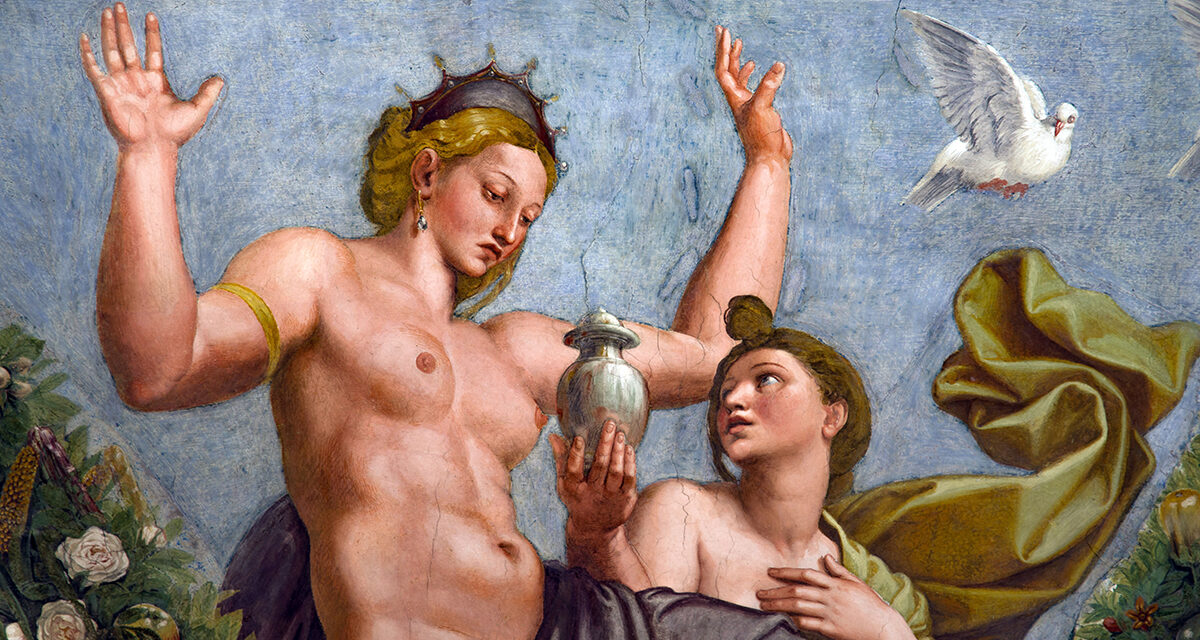
Nipple models have existed as long as there has been demand. The earliest nipple models are believed to have sat in for artists such as da Vinci and Ghirlandaio when modesty prevented young, aspiring art models from fully disrobing. By the mid-1500s, nipple models had formed a collective, an early prototype of today’s union, in an effort to secure better pay, safer working conditions, and, perhaps most importantly, more prominent nipple placement within commissioned works.¹
By the height of the Baroque period, many nipple models had achieved a level of fame surpassing even the artists themselves. Their work was recognized not only by art patrons but by the general public, who could identify a well-rendered nipple at a glance. Velázquez, in particular, was known not only to employ nipple models in his paintings but to use them as promotional tools, occasionally painting small scenes upon their areoles or, in rare cases, utilizing the entire breast as a kind of mobile gallery advertisement or coupon system.²
With the arrival of Romanticism, nipple models reached the height of their cultural influence. They were no longer passive participants but selective collaborators, often choosing which artists were worthy of rendering them. At one point, after being pressured to include 927 nipples in a single composition, Eugène Delacroix famously declared, “No more nipples!” and briefly turned his attention to painting soft-boiled eggs with a side of toast. When his career inevitably declined, Delacroix returned to the nipple, though only from memory, a decision most evident in his final work, The Frolicking Couple with the Twelve Odd-Shaped Things on Their Chests. Though poorly received, the painting marked the beginning of what historians now refer to as the Great Nipple Decline in European art.
As new styles emerged, nipple models found themselves increasingly marginalized. Artists such as Renoir and Monet were accused of “never having seen a real nipple,” and critics derided their interpretations as unrealistic, or worse, “unnipple-like.” Employment became scarce. Many models lost their homes and livelihoods, and it was not uncommon to find bare nipples wandering the streets, seeking warmth in public libraries or beneath loosely buttoned coats. Some adapted, taking on clerical roles as nipple accountants or entering public service.
The rise of Cubism dealt another blow. Nipple models were deemed unnecessary as artists began representing nipples as cones, polygons, or, in certain controversial works, small birds. Despite protests regarding the unrealistic and often stereotypical portrayals, the voices of nipple models went largely unheard. Picasso himself reportedly remarked, “There is no nipple until I paint the nipple,” a statement that continues to divide scholars.
Nipple models fell into near-total obscurity during the Expressionist movement, particularly throughout the abstract periods of the 1950s through the 1970s. While some works claimed to depict them, verification proved impossible. Most of Mark Rothko’s paintings are widely considered nippleless, as are those of Jackson Pollock, though some maintain that portions of Pollock’s Number 4 may have been applied by a model’s nipple, a claim that has never been conclusively proven.
It was not until the late 20th century, with the emergence of digital art, that nipple models began to experience a modest resurgence. Stock photography opened new doors, allowing models to license their nipples across a wide range of commercial applications, from educational diagrams to vaguely European shampoo advertisements. For a brief period, nipple modeling saw a renaissance of sorts, with freelancers building modest but respectable careers through careful branding, strategic positioning, and the cultivation of a recognizable nipple identity.
The early 2000s brought further innovation as social media platforms created direct-to-consumer opportunities. Independent nipple models cultivated followings and curated portfolios for a global audience. Nipple influencers brought new attention to the nipple and nipple demand often exceeded supply. This period also saw a brief intersection with street art, most notably when an alleged Banksy stenciled nipple appeared on the exterior of Buckingham Palace, a work that was promptly removed by Prince Andrew and has not been seen since.
Today, the profession faces its greatest challenge yet: artificial intelligence. With the ability to generate highly convincing nipples at scale, AI has disrupted traditional modeling workflows and raised existential questions within the community. Veteran models argue that AI-generated nipples lack the nuance, history, and lived experience of their human counterparts, while others fear the market may not care as long as people can just see nipples. Industry panels, hastily organized and consistently under-attended, continue to debate whether authenticity can survive in an era where a nipple can be rendered in milliseconds, without moral standards or art school fees.³
Still, there are those who remain optimistic. As one anonymous model recently stated at a mostly ignored symposium, “You can generate a nipple, sure. But can you emotionally feel that nipple?” For now, the answer remains unclear, though early studies suggest audiences are increasingly unable to distinguish between the authentic nipple and one that has never known hardship.
¹ Historical Nipple Review, Vol. 3, “On Early Collective Bargaining”
² The Journal of Applied Areola Studies, Spring Edition
³ Today’s Teat Quarterly, Special Issue: “Automation & the Human Form”

Like this story? Support this writer: